


Understanding Coffee Roast Levels: Light, Medium, and Dark Explained
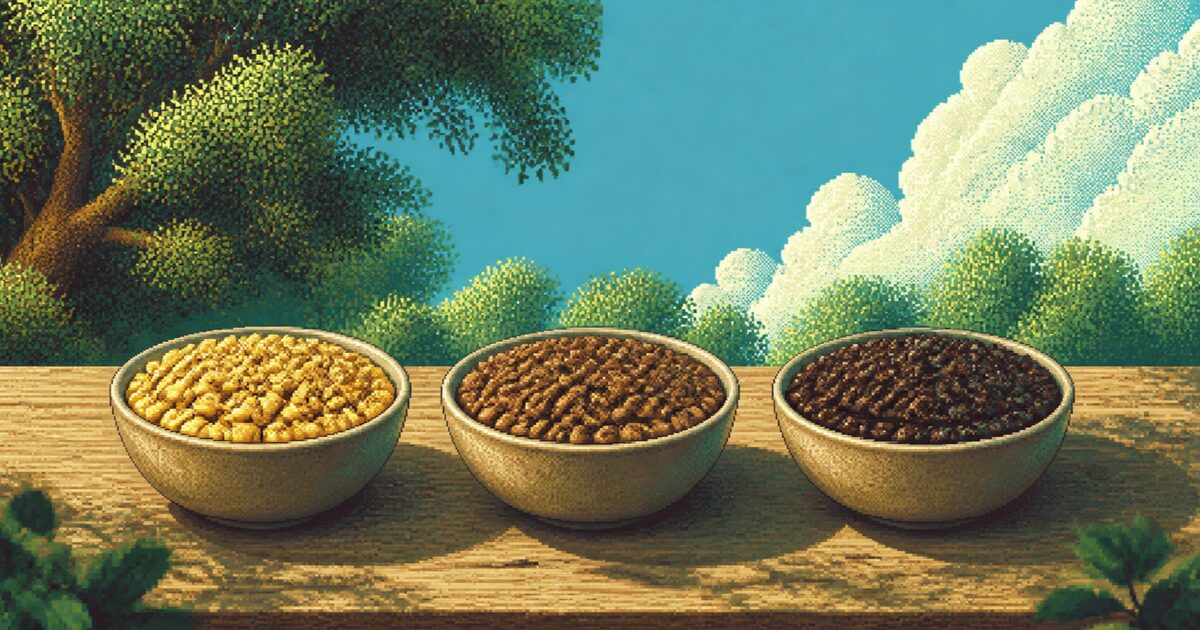
Roast level gets treated like a strength dial — "dark roast" for a stronger cup, "light roast" for something gentler. That's backwards on at least one count, and it undersells what roasting actually does to a bean chemically.
What roasting is actually doing
Green coffee beans are dense, grassy, and undrinkable. Roasting drives off moisture, triggers the Maillard reaction and caramelization, and slowly breaks down the bean's cell structure. The longer and hotter the roast, the further along that breakdown goes — which is the whole story behind the flavor differences between roast levels.
Light roast
Light roasts are pulled early, right around or just after "first crack" (the audible pop as beans expand). Because caramelization hasn't gone far, you get bright acidity, floral or fruity aromatics, and a noticeably sweeter, more delicate cup. This is the roast level that shows off a specific bean's origin character most clearly — it's why single-origin coffees are so often sold as light roasts.
Medium roast
Medium roasts sit in the sweet spot where caramelization has had time to develop toasted-nut, caramel, and light-chocolate notes, while acidity has mellowed without disappearing. It's the most "balanced" cup in the lineup — bright enough to be interesting, round enough to be easy to drink black.
Dark roast
Dark roasts push past second crack, where sugars char rather than caramelize. Acidity drops sharply, replaced by bitterness, smokiness, and heavier body — think classic Italian-style espresso roasts. What you're tasting at this point is increasingly the roast itself rather than the bean's origin character, which is why dark-roasted beans from wildly different farms can taste surprisingly similar.
The caffeine myth
Here's the part that surprises most people: by bean weight, light roast actually contains slightly more caffeine than dark roast. Roasting doesn't destroy meaningful amounts of caffeine, but it does make beans lose density and mass as they roast longer — dark roast beans are bigger and lighter per bean.
The practical effect: if you measure coffee by volume (a scoop), you'll fit more light-roast beans into that scoop than dark-roast beans, and light roast will edge out dark on caffeine. If you measure by weight — which you should be doing anyway — the difference is close to a wash, since you're compensating for the density difference automatically.
Picking a roast for how you actually drink coffee
- Black coffee, pour-over, single-origin curiosity → light to medium roast, so you can actually taste the bean.
- Milk-based drinks, espresso, "wake me up" mornings → medium to dark roast — the bolder flavors hold up against milk, and lower acidity is gentler on an empty stomach.
- Cold brew → darker roasts tend to shine here; the long, cold extraction softens bitterness while keeping body.
There's no objectively "better" roast level — only the one that matches the brew method and mood you're chasing that morning.